Watercolor Highland Cow Clipart: Design Essentials
If you’ve been searching for design elements that bring warmth and character to your projects without feeling overly polished or corporate, watercolor Highland cow clipart in PNG format can be a surprisingly versatile asset. These images capture the shaggy charm of Highland cattle through soft, painterly strokes and natural color palettes, offering a handmade feel that stands out against more rigid stock graphics. Whether you’re building a brand identity for a rustic product line or adding visual interest to a blog post, understanding how to work with this type of clipart helps you leverage its strengths effectively.
The Visual Appeal of Watercolor Highland Cattle
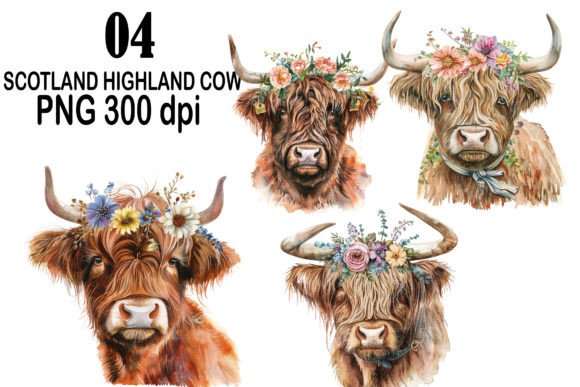
Watercolor Highland cow clipart typically portrays these iconic Scottish cows with loose, flowing watercolor washes, often muted greens, earthy browns, and gentle sky blues. The watercolor technique gives each image a soft, organic edge, meaning no two applications look exactly alike—even when using the same digital file. This variance creates a sense of authenticity and artistic intimacy that purely vector or photographic assets sometimes lack. The cows themselves are usually depicted in side profiles or front-facing poses, with their long fringe and prominent horns softened by the medium’s natural bleeding effects.
From a personality standpoint, these images tend to evoke feelings of countryside calm, rustic warmth, and gentle whimsy. They don’t scream for attention but rather invite viewers to pause and appreciate the texture and craft within the design. That makes them particularly effective for brands or projects aiming to communicate honesty, tradition, or handcrafted quality. The watercolor technique also introduces subtle gradients and color transitions that can complement a wide range of color schemes, especially if your palette leans toward earth tones or pastels.
Where This Clipart Works Best Across Projects
The real strength of watercolor Highland cow clipart lies in its adaptability across both digital and print media. In branding, it’s a natural fit for farm-to-table restaurants, organic skincare lines, craft breweries, and boutique wool or textile producers. A single high-quality PNG with a transparent background can anchor a logo or serve as a secondary design element on product labels, business cards, or woven hang tags. Because the clipart already carries a hand-painted aesthetic, it reduces the need for additional texturing or styling, speeding up your workflow without sacrificing polish.
For editorial design, these images work wonderfully as chapter openers, pull quote backgrounds, or sidebar decorations in magazines focused on rural living, sustainable agriculture, or artisan crafts. In web design, they can soften a hero section or add personality to “about” pages and team member cards. Social media graphics benefit from the organic feel as well—imagine a watercolor cow peeking from behind an inspirational quote on Instagram or serving as the focal point of a seasonal promotion for a farm stand. The PNG format means you can drop the clipart onto any background without white boxes or awkward edges, saving time during layout.
Crafters and hobbyists also find plenty of uses. T-shirt transfers, scrapbook embellishments, greeting cards, and hand-stamped stationery all gain a unique touch from watercolor clipart. If you sell digital products on platforms like Etsy or Creative Market, offering printables or digital planners that feature these cows can attract customers looking for distinctive, non-generic visuals. The key is to match the clipart’s rustic aesthetic with projects where that tone feels intentional rather than accidental.
How Watercolor Highland Cow Clipart Shapes Visual Hierarchy and Brand Perception
When used thoughtfully, watercolor Highland cow clipart can influence how audiences perceive your brand’s professionalism and attentiveness to detail. Unlike sterile stock photos or heavy geometric patterns, watercolor elements introduce a human touch that signals care and craftsmanship. In a layout, such clipart often becomes a visual anchor—something the eye lands on before moving to text or data. This can be leveraged to establish a clear visual hierarchy: place the cow image in a dominant position when you want emotional connection to lead, or scale it down alongside stronger typography for a more subtle accent.
Consistency is another factor. Using the same clipart style across multiple touchpoints—packaging, website, social media—creates a cohesive brand identity that feels considered rather than cobbled together. Because watercolor Highland cow clipart has a distinct texture and color range, it acts almost like a brand signature. Over time, customers begin associating that soft, watercolor look with your specific product or service, which builds recognition and trust. Pairing this with a clean sans-serif font for body text and a handwritten or serif font for headlines can reinforce that rustic-meets-modern balance without clashing.
From a readability standpoint, the clipart remains a secondary element in most contexts. Its soft edges and low-contrast color areas prevent it from competing with text for attention when used in backgrounds or margins. However, if the clipart includes high-contrast details like dark horns or heavy shadows, you need to place text carefully to avoid losing legibility. A good rule is to either tint the image to a lower opacity behind text or position text on a solid, neutral area within the PNG. Because watercolor clipart often features lighter washes, this isn’t usually a major issue, but it’s worth testing before finalizing any layout.
Practical Guidance for Choosing and Using This Design Asset
Not all watercolor Highland cow clipart is created equal, so evaluating your options before purchasing or downloading is important. Start by examining the resolution and file quality. For print work, you want a PNG with at least 300 DPI and a sufficiently large pixel dimension to avoid pixelation when scaled. Digital use can tolerate lower resolutions, but always aim for the highest available size to maintain flexibility. Check the transparency layer—some clipart has leftover white halos or rough edges from extraction that can ruin a professional look. A clean, well-masked PNG saves you hours of editing.
Consider your project’s color palette and whether the clipart’s dominant hues will harmonize or fight with other elements. Watercolor artwork typically contains multiple blended colors, so look for images that use a limited, complementary palette rather than a chaotic spray of tones. If you plan to recolor or adjust the clipart, confirm that the license allows modifications. Many commercial-use licenses permit color shifts and resizing, but some restrictive agreements prohibit alterations, especially for logo use.
Testing font pairings with your clipart early in the design process prevents mismatched moods later. For watercolor Highland cow clipart, serif fonts like Garamond or Georgia can reinforce a traditional, earthy feel. Sans-serif options like Proxima Nova or Montserrat yield a clean contrast that feels modern but not cold. Handwritten fonts such as Caveat or Pacifico can amplify the rustic charm if used sparingly for headings or captions. Avoid pairing the clipart with overly ornate or gothic typefaces—they tend to compete with the softness of the watercolor style and create visual noise.
Finally, review the commercial licensing carefully, especially if you’re selling finished products or using the clipart in client work. Some watercolor Highland cow clipart is offered under extended licenses for unlimited print runs or merchandise, while basic licenses may restrict use to one project or digital-only outputs. Knowing these terms upfront prevents legal headaches and ensures you can apply the asset where it adds the most value. If you’re building a long-term brand, investing in a rights-managed or extended license clipart set often pays for itself through repeated use across seasons and campaigns.
In practice, watercolor Highland cow clipart works best when it supports the story you’re telling rather than dominating it. Use it as a strategic accent—on packaging headers, behind testimonial quotes, or as a recurring motif in your email newsletter—and you’ll find that this simple design asset contributes more to brand warmth and audience engagement than many premium fonts alone could manage. It’s a tool that rewards thoughtful placement and respects the organic, handmade direction so many modern brands strive to achieve.