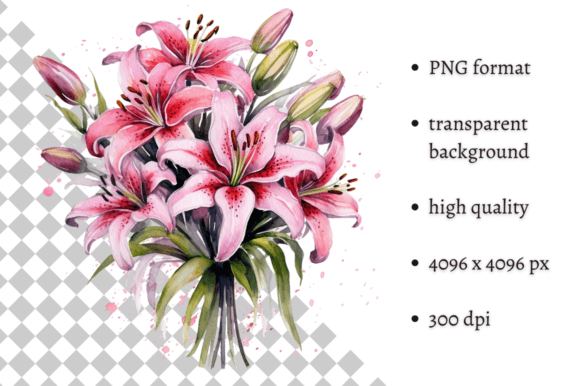
Elevate Your Brand with Watercolor Pink Tiger Lilies Clipart
Finding authentic, flexible design assets that don't break the bank or feel like cookie-cutter templates is a genuine challenge. Whether you are designing a wedding suite, building an organic skincare brand, or refreshing your blog's visual identity, the graphic elements you choose carry immense weight. Watercolor Pink Tiger Lilies Clipart offers a compelling answer to this creative dilemma. It combines the organic, handcrafted soul of painted art with the practical, drag-and-drop convenience of digital design. This is not just a pretty flower pack. It is a strategic tool that, when used thoughtfully, can define your visual identity and elevate your professional work.
Beyond the Blossom: Defining the Watercolor Tiger Lily Aesthetic
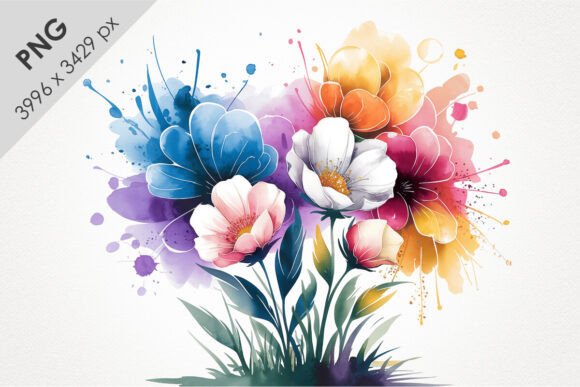
What sets this clipart apart from standard vector illustrations or generic stock photos is the inherent personality of the watercolor medium. These are not flat, uniform shapes. You are working with high-resolution scans of actual hand-painted artwork, complete with subtle paint bleeds, soft gradients, and the delicate, translucent layering that only watercolor can achieve.
The visual characteristics are deliberately expressive. The pink palette typically ranges from soft, romantic blush tones to vibrant coral and magenta, capturing the natural complexity of the tiger lily. The spiky petals and prominent stamen are rendered with a loose, graceful hand, avoiding the stiff precision that often makes digital art feel cold. This gives the clipart a premium and authentic feel. It carries the personality of a skilled illustrator even if you are not one yourself. For designers and small business owners, this means instantly adding a layer of sophistication and artistic credibility to any project, from a simple social media post to a complex packaging layout.
Strategic Placement: Where Tiger Lilies Make the Biggest Impact
The versatility of these watercolor elements is their greatest strength. They thrive in environments that value natural beauty, elegance, and emotional warmth. Here is where they perform best across various media and industries.
Branding and Marketing Collateral
For brand identity, consider how a single stem of a pink tiger lily can serve as a sophisticated accent on a boutique hotel's website or on the stationery of a high-end florist. On social media graphics, particularly Instagram and Pinterest, these large, detailed blossoms create natural focal points that stop the scroll. A well-composed image featuring the clipart behind a short quote feels editorial and intentional, not like a rushed template job.
Publishing and Editorial Design
Bloggers and digital publishers will find immense value here. The clipart is excellent for creating distinct visual breakpoints in long-form content. A subtle, low-opacity lily in the background of a heading section, or a beautifully layered cluster marking the start of a new chapter in an eBook, manages visual hierarchy with grace. It signals professionalism and care for the reader's experience.
Print-On-Demand and Physical Products
This is where high-resolution quality truly shines. Print-on-demand sellers can use Watercolor Pink Tiger Lilies Clipart on greeting cards, art prints, tote bags, and journals. The watercolor texture implies a tactile, handcrafted quality that photographs beautifully in product mockups, often leading to higher perceived value and conversion rates. Crafters also appreciate these for scrapbooking, bullet journaling, and DIY home decor projects.
The Psychology of the Palette: How Pink Tiger Lilies Shape Perception
Choosing a design asset is a psychological decision. The color pink consistently evokes feelings of compassion, tenderness, and tranquility. When combined with the symbolism of the tiger lily, which represents passion, confidence, and refined elegance, the visual message becomes uniquely powerful. Brands using this clipart subtly communicate that they are both emotionally intelligent and high-quality.
From a design theory standpoint, these elements inherently improve visual hierarchy. A large, vibrant bloom will dominate a layout, demanding primary attention. Smaller elements, like individual petals or leaves, can be used as supporting details or subtle background textures without competing with text. This layering capability allows you to build complex, professional compositions that feel cohesive and well-paced. When used consistently across a website, social media, and product packaging, it builds a powerful, recognizable brand identity that resonates deeply with audiences looking for authenticity and beauty.
A Designer’s Guide to Evaluating Watercolor Clipart Sets
Not all clipart is created equal. To ensure your projects look their best, you need to evaluate your design assets critically before purchasing or downloading. Here are the technical and aesthetic criteria worth checking:
- Resolution and DPI: Look for 300 DPI files. This ensures your prints are sharp and professional. Low-resolution graphics (72 DPI) will appear pixelated when printed or scaled up, instantly diminishing the quality of your work.
- Transparent Backgrounds: High-quality PNG files with truly transparent backgrounds are non-negotiable. They allow you to layer the flowers seamlessly over any color, pattern, or mockup without visible white boxes or halos.
- Variety of Elements: A good set includes more than just one bloom. Look for multiple angles, sizes, and supporting elements like leaves, stems, and small buds. This gives you the flexibility to create dynamic, natural-looking compositions.
- Color Consistency: Check that the colors across the set harmonize with your existing brand palette. The specific pinks and greens in the clipart should complement your fonts and other design elements, not clash with them.
When testing for your project, print a small sample test page first if you are producing physical goods. Pair the clipart with a serif font for a classic, editorial look, or a sans serif font for a modern, clean contrast. It also pairs beautifully with script fonts and handwritten fonts for a whimsical, organic feel. Always review the commercial license. If you are selling products, you must ensure your license covers that specific commercial use. Understanding this protects your business legally and professionally.
Practical Workflow: Using Tiger Lilies in Your Next Project
Ready to use this design asset? Here is a simple, repeatable workflow that helps ensure professional results:
- Build Your Mood Board. Start by dragging your selected PNG files into your design software. Play with placement without any text. See how the colors interact with each other.
- Define Your Color Palette. Use the eyedropper tool to sample the core colors from the clipart. You will likely find a beautiful blush, a deep magenta, a sage green, and a warm cream. Use these as your project's color palette for text and backgrounds to create instant harmony.
- Establish Your Composition. Place your main element. A single large lily works wonderfully as a focal point on a book cover. A clustered corner arrangement is perfect for a business card or invitation.
- Integrate Text Carefully. Watercolor graphics are detailed, so ensure your text is legible. Create a soft text box overlay behind the text, or place your type in the clear, negative space around the flowers.
- Test with Mockups. Before finalizing, place your composition onto a realistic mockup. This gives you a crucial real-world perspective and helps you catch any layout issues early.
This process bridges the gap between having a beautiful asset and creating a finished, professional product.
Ultimately, Watercolor Pink Tiger Lilies Clipart is more than a graphic file. It is a storytelling tool that brings the authenticity of fine art into the modern workflow of entrepreneurs, designers, and creators. Whether you are crafting a delicate brand identity, heartfelt stationery, or engaging social media campaigns, these organic elements provide a shortcut to emotional impact and professional polish. Experiment with them, trust your eye, and watch how they transform your next creative project.